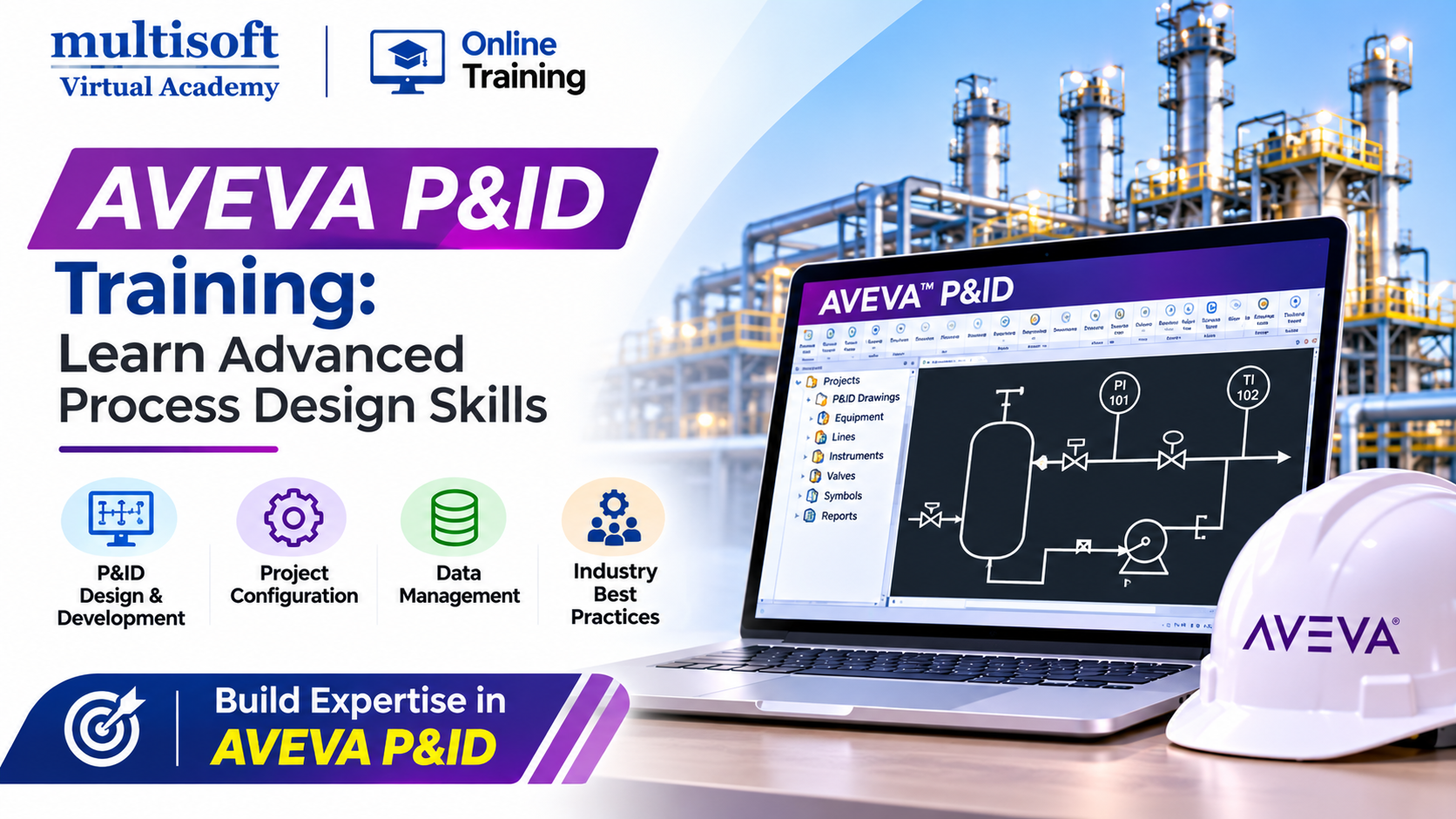
Industrial engineering projects depend on accurate technical drawings and well-organized process information. From manufacturing facilities to oil refineries and chemical plants, engineers must understand how equipment, pipelines, valves, and instrumentation work together. Piping and Instrumentation Diagrams (P&IDs) provide a detailed representation of these systems and support communication throughout the engineering lifecycle.
With the growing adoption of intelligent engineering applications, professionals are increasingly developing skills in specialized plant design software. AVEVA P&ID Training helps learners understand how to create, manage, and maintain intelligent process diagrams using modern engineering workflows.
The training introduces essential concepts such as equipment representation, pipeline connections, instrument tagging, drawing modification, and engineering data management. It can benefit process engineers, piping designers, instrumentation professionals, and other technical specialists who want to improve their understanding of digital plant design.
AVEVA P&ID is an engineering application designed to support the development and management of Piping and Instrumentation Diagrams. It enables engineering teams to represent process systems through graphical elements associated with relevant engineering information.
A typical P&ID contains information about process equipment, pipelines, valves, instruments, control connections, and other plant components. These diagrams help engineers understand process arrangements and communicate technical requirements to different project teams.
Intelligent P&ID workflows provide more than basic drawing capabilities. They help organize engineering objects and associated attributes, making it easier to manage information across project activities.
Some important benefits include:
Learning the application helps professionals understand how intelligent engineering drawings contribute to accurate plant design.
Understanding process diagrams is essential for professionals working in industrial engineering. However, working efficiently with intelligent design applications requires additional software knowledge and practical experience.
A structured training program helps bridge the gap between engineering fundamentals and digital design activities.
Training introduces learners to the process of creating and modifying intelligent P&ID drawings. Participants understand how to represent different plant components and maintain relevant engineering information.
Industrial facilities contain different types of equipment, including pumps, compressors, vessels, tanks, and heat exchangers. Learning how these components are represented helps professionals understand their role in process diagrams.
Pipelines and instruments are essential parts of industrial process systems. Training helps learners become familiar with line identification, valve representation, instrument symbols, and associated connections.
Accurate documentation is important throughout project development. Intelligent drawing workflows help organize component information and support consistent engineering deliverables.
Learning specialized plant design software can complement existing technical qualifications. It can also help professionals prepare for responsibilities involving process drawings and engineering documentation.
A comprehensive AVEVA P&ID Training Course should provide a balance of software fundamentals, engineering concepts, and practical exercises.
The learning process begins with understanding the application environment and its basic functions.
Participants may explore:
This foundation helps learners become comfortable with the software before moving into detailed design activities.
Creating process diagrams is one of the central activities in P&ID design. Learners understand how to develop drawings and make modifications according to engineering requirements.
Practical sessions may cover drawing creation, component placement, editing existing drawings, and organizing drawing information.
Equipment representation is an important part of industrial process documentation. Participants learn how different equipment types are displayed within P&ID drawings.
Topics may include:
Understanding these elements helps learners prepare organized process diagrams.
Pipelines represent the movement of fluids and materials between equipment items. Accurate pipeline information is important for process documentation and engineering coordination.
Training may introduce pipeline creation, line identification, valve placement, piping components, and connection management.
Participants also learn why consistent line numbering and identification practices are important for industrial projects.
Instrumentation helps monitor and control industrial processes. P&ID drawings represent these elements using standard engineering symbols and identification methods.
Important learning areas may include:
These topics help learners understand how instrumentation information is incorporated into process diagrams.
Engineering symbols provide a common visual language for technical drawings. Their correct use supports clarity and consistency.
Training may introduce symbol libraries, symbol selection, available component definitions, and the importance of following project-specific drafting standards.
Intelligent drawing objects contain information associated with their graphical representation. These attributes may include equipment tags, line numbers, instrument identifiers, and other engineering details.
Learners can explore how to access, review, and maintain object properties. This knowledge supports better engineering data organization.
Industrial projects frequently require design changes. Engineers must update drawings while maintaining proper documentation practices.
Training may cover drawing modification, revision-related activities, design review procedures, and the importance of maintaining current project information.
Reviewing engineering information helps identify missing or inconsistent data. Depending on the software version and configuration, learners may explore available checking functions and reporting capabilities.
These activities help professionals understand how engineering information can be reviewed and presented for project documentation.
AVEVA P&ID skills are relevant to industries where detailed process documentation is required.
Oil and gas engineering: P&IDs help represent process equipment, pipelines, valves, and instrumentation in production, processing, and refining facilities.
Petrochemical projects: Engineering teams use process diagrams to communicate equipment arrangements, process connections, and instrumentation requirements.
Chemical manufacturing: P&IDs help document process equipment and material movement within chemical production facilities.
Power generation: Industrial facilities require process and utility diagrams to support engineering coordination and operational understanding.
Pharmaceutical manufacturing: Process diagrams help document equipment and process connections in specialized production environments.
Water treatment facilities: P&IDs can represent pumps, storage tanks, pipelines, valves, and instrumentation used in treatment operations.
The specific application depends on project requirements, engineering standards, and the organization's software environment.
AVEVA P&ID training is relevant to individuals who want to develop skills in process diagram creation and industrial engineering documentation.
A basic understanding of engineering drawings and industrial process concepts can make the course easier to follow.
Specialized software knowledge can complement an engineering qualification and help professionals develop capabilities relevant to industrial design projects.
Depending on qualifications and practical experience, potential career paths include:
Career opportunities depend on the candidate's technical knowledge, project experience, communication skills, and employer requirements. Training should be supported by practical exercises and continued professional development.
Choosing the right course is important for building useful software skills. Before enrolling, consider these factors.
Detailed course curriculum: Review whether the program covers drawing creation, equipment, pipelines, instrumentation, object properties, and reporting.
Practical learning opportunities: Look for hands-on exercises that allow participants to apply software functions to realistic engineering scenarios.
Instructor experience: An experienced trainer should be able to explain software features and connect them with practical plant engineering requirements.
Software availability: Confirm the software version and whether a suitable practice environment is provided.
Flexible training options: Consider live online sessions, customized corporate programs, or one-to-one instruction according to your learning needs.
Course completion details: Check whether the provider offers a completion certificate and understand its distinction from any separate vendor certification.
AVEVA P&ID supports the creation and management of intelligent Piping and Instrumentation Diagrams. It helps engineering teams represent process equipment, pipelines, valves, instruments, and associated information.
Yes. Engineering graduates with basic knowledge of process systems and technical drawings can learn the application through an introductory training program.
A Process Flow Diagram (PFD) provides an overview of major equipment and process flows. A P&ID provides more detailed information about pipelines, valves, instrumentation, and process connections.
Basic P&ID design activities generally focus on engineering concepts and application workflows rather than programming. Advanced administration or customization responsibilities may require additional technical knowledge.
Oil and gas, petrochemical, chemical manufacturing, pharmaceuticals, power generation, and water treatment are among the industries where P&ID applications can support engineering documentation.
The learning duration depends on the course syllabus, previous engineering experience, and practical exposure. An introductory course can establish the fundamentals, while advanced proficiency requires continued practice.
Developing expertise in AVEVA P&ID can help engineering professionals understand intelligent process drawings, equipment representation, pipeline documentation, instrumentation, and structured engineering information. These capabilities are relevant to industrial projects where accurate process documentation and coordination between engineering disciplines are essential. A good training program should combine software fundamentals, practical exercises, and industry-oriented examples to support effective learning. Multisoft Virtual Academy offers AVEVA P&ID Training for engineering graduates and working professionals who want to improve their plant design knowledge, develop specialized software skills, and build a stronger foundation for industrial engineering assignments.
| Start Date | Time (IST) | Day | |||
|---|---|---|---|---|---|
| 28 Nov 2026 | 06:00 PM - 10:00 AM | Sat, Sun | |||
| 29 Nov 2026 | 06:00 PM - 10:00 AM | Sat, Sun | |||
| 05 Dec 2026 | 06:00 PM - 10:00 AM | Sat, Sun | |||
| 06 Dec 2026 | 06:00 PM - 10:00 AM | Sat, Sun | |||
|
Schedule does not suit you, Schedule Now! | Want to take one-on-one training, Enquiry Now! |
|||||




 Join our Live Instructor-Led online classes delivered by industry experts
 Let's Get Started
